Foods and Yoga Poses to Strengthen Bones Naturally
Top 5 Foods and Yoga Poses to Strengthen Bones Naturally
Learn simple, science-backed foods and real yoga poses (with free HD images & videos) to maintain healthy bones and reduce fracture risk.
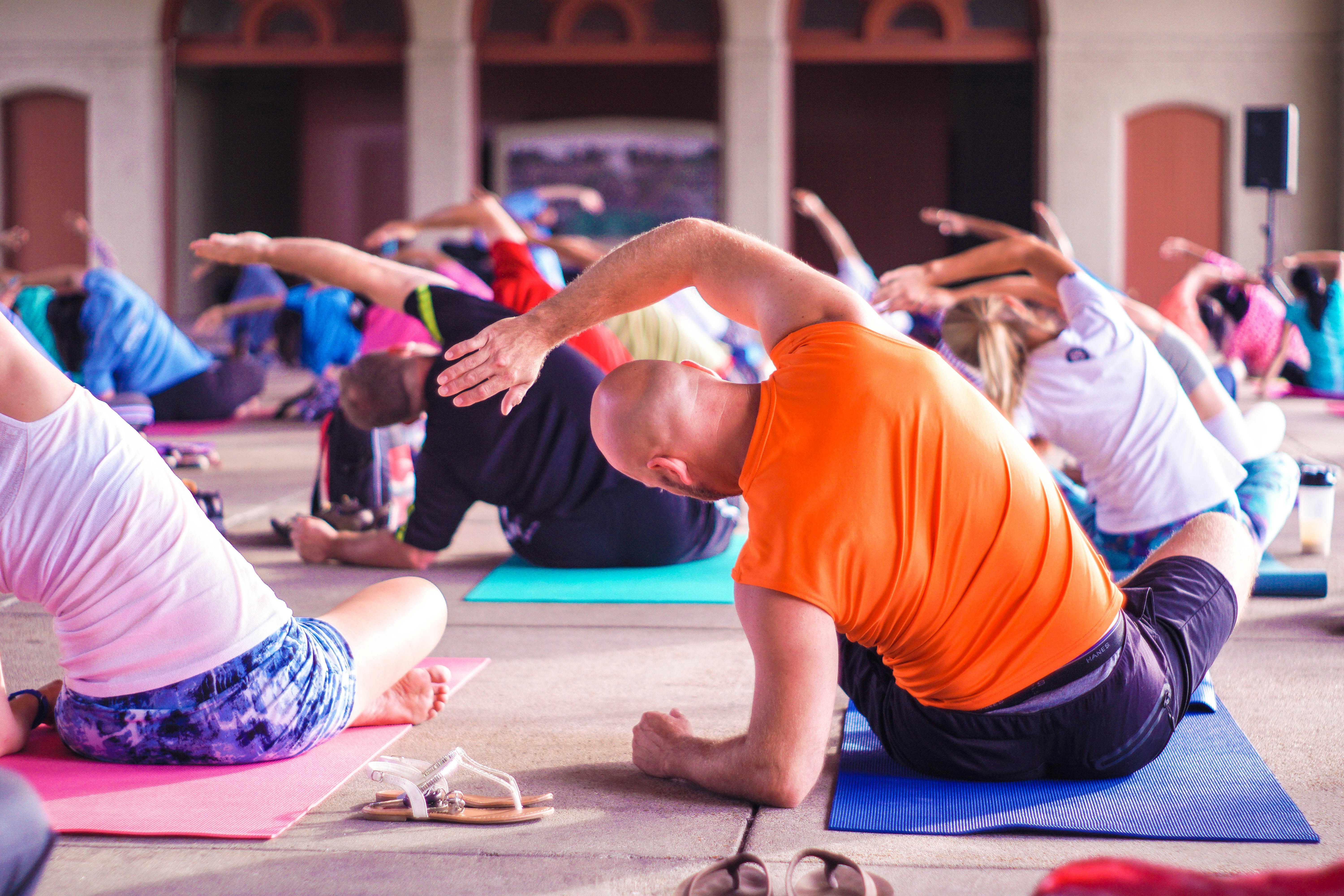
Why bone health matters
Strong bones help you stay independent and active as you age. Nutrition, physical activity and balance training together reduce the risk of falls and fractures.
Top 5 foods that support bone strength
1. Finger Millet (Ragi)
How it helps: Ragi (finger millet) is one of the richest cereal sources of calcium and can be a helpful plant-based way to boost calcium intake. Use it as porridge, pancakes, or flatbreads.
Source: scientific reviews on finger millet’s high calcium content.
2. Sesame Seeds
How it helps: Sesame seeds (especially unhulled) contain calcium, magnesium and manganese — minerals that support bone mineralization. Add toasted seeds to salads, chutneys, or smoothies.
Source: nutrition summaries on sesame seeds and bone-supporting minerals.
3. Almonds
How it helps: Almonds supply calcium, magnesium and healthy fats. A small handful daily is an easy way to add bone-friendly nutrients.
Source: nutrient composition data for almonds.
4. Yogurt (or fortified plant-based yogurt)
How it helps: Yogurt is high in calcium and protein; live cultures can improve digestion and nutrient absorption. If using plant yogurts, choose fortified varieties to ensure adequate calcium and vitamin D.
Source: Harvard Nutrition guidance on yogurt and fortified plant yogurts.
5. Leafy Greens (Spinach, Kale, Collard Greens)
How it helps: Leafy greens provide calcium and vitamin K — vitamin K is important for bone proteins (like osteocalcin) that help maintain bone density.
Source: research and nutrition guidance on vitamin K and bone health.
Nutrition notes: Aim for a varied diet that combines calcium-rich foods with vitamin D (sunlight, fortified foods) and weight-bearing movement for best results.
5 Yoga poses (with instructions & why they help)
1. Trikonasana — Triangle Pose
How to do it: Stand wide, turn one foot out, extend arms, reach down to ankle and lift the opposite arm up. Keep chest open and breathe evenly. Hold 20–40 seconds each side.
Why it helps: Strengthens legs, hips and improves spinal alignment and balance — all supportive for bone health and fall prevention.

Photo by Kundalini Yoga Ashram: https://www.pexels.com/photo/photo-of-a-people-exercising-at-a-gym-14989453/
2. Vrikshasana — Tree Pose
How to do it: Shift weight to one leg, place the other foot on inner thigh or calf (avoid the knee), bring hands to prayer or overhead. Hold 20–45 seconds, switch sides.
Why it helps: Improves single-leg balance and strengthens hip and thigh bones reducing fall risk.

3. Setu Bandhasana — Bridge Pose
How to do it: Lie on your back, knees bent and feet hip-width apart. Press into feet and lift hips up, tucking tailbone slightly. Hold 20–30 seconds; repeat 3 times.
Why it helps: Strengthens the spine, glutes and hips — supporting the pelvic bones and lower back where fractures are common in older adults.

4. Bhujangasana — Cobra Pose
How to do it: Lie face down, hands under shoulders. Inhale to lift chest using back muscles (keep pelvis grounded). Hold 10–20 seconds; repeat 2–3 times.
Why it helps: Improves spinal flexibility and strengthens the spine muscles that protect vertebrae and help maintain posture.

5. Utkatasana — Chair Pose
How to do it: Stand tall, inhale and lift arms. Exhale into a partial chair — knees bent like sitting — keep chest lifted. Hold 15–30 seconds, repeat 3 times.
Why it helps: This is a weight-bearing pose that builds bone strength in the thighs, hips and lower spine — similar benefit as squats but gentler and focused on balance too.

How to structure your weekly routine
- Do a 20–30 minute yoga session 3–4 times per week focusing on the poses above.
- Include daily calcium-rich foods and leafy greens; aim for varied sources across the week.
- Get safe sun exposure (10–20 minutes) for vitamin D or use fortified foods if sun exposure is limited.
- Work with a local instructor or physiotherapist if you have osteoporosis or previous fractures — modify poses as needed.


Comments
Post a Comment